Oistins Fish Fry and South Coast Dining: A Guide to Local Gastronomy
Transitioning from the rugged, wind-swept cliffs of St. Philip to the energetic South Coast, visitors find a culinary landscape that defines Barbadian culture. Oistins Fish Fry is not merely a dining destination; it is a community institution where the island’s maritime heritage meets modern social life.
Leaving the isolated eastern shores requires navigating a shifting geography. The deep turquoise waters of Bottom Bay crash against high coral walls, creating a striking contrast to the flatter, densely developed topography of Christ Church. Understanding the Barbados tide helps explain this disparity: the Atlantic Ocean batters the east coast with relentless force, while the Caribbean Sea provides the sheltered, calm harbours necessary for a thriving commercial fishing fleet on the south.
Travelers frequently debate what the nicest town in Barbados actually is, a subjective query that heavily depends on architectural preference versus cultural output. While Speightstown offers colonial facades in the north, Oistins functions as the undisputed culinary capital of the south. Those seeking structured things to do will find the dense social energy of the Friday night fish fry a sharp, necessary contrast to the quiet solitude of the St. Philip beaches.
The Oistins Phenomenon
Oistins Bay Garden serves as the heartbeat of local gastronomy. Beyond the Friday night peak, it represents a legacy of community roots and vendor history that has persisted for generations.
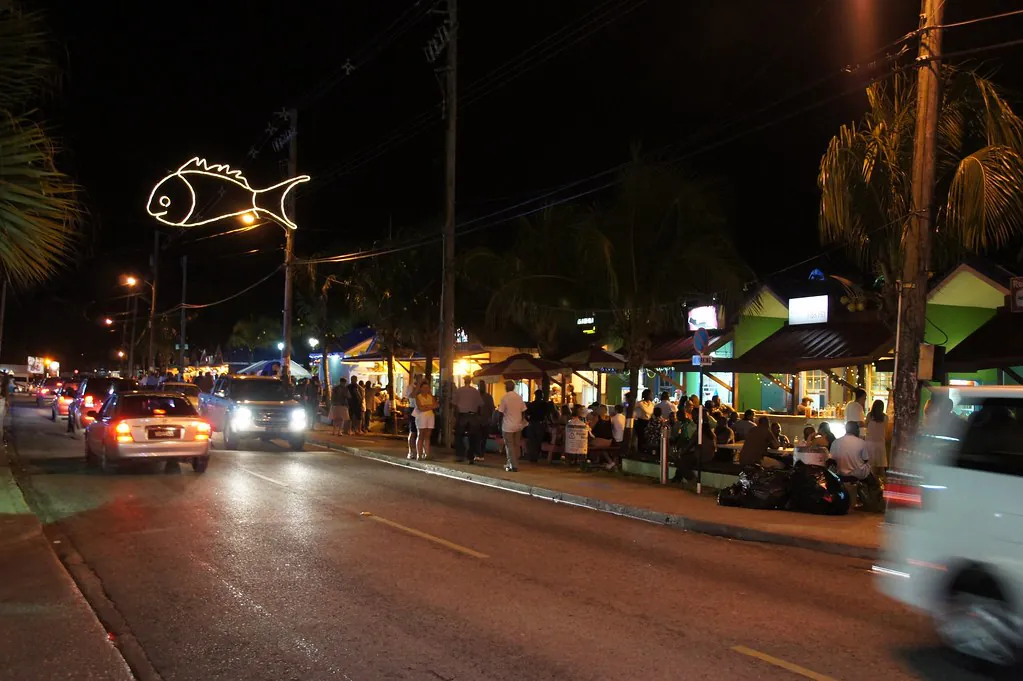
The site operates as a government-supported initiative designed to formalise a historical fish landing site into a structured cultural landmark. You can review the structural history through the Barbados Government Information Service, which documents the physical transition of these coastal vendor stalls. The vendor stations themselves carry significant familial heritage. Many of the primary fry stations have operated continuously for decades, passing directly from mother to daughter. The Daily Nation frequently profiles these culinary matriarchs, highlighting their critical role in preserving indigenous cooking techniques against the influx of commercial fast-food chains.
The Anatomy of a Bajan Plate
Mastering the Bajan plate requires understanding the balance of ‘green seasoning’—a potent blend of thyme, garlic, scotch bonnet, and lime. Whether you prefer your catch grilled or fried, the national dish of cou-cou and flying fish remains the gold standard.
Flying fish preparation dictates much of the island’s domestic cooking rhythm. Traditionally steamed or fried, cooks serve the delicate fillets alongside a dollop of spicy, herb-infused gravy. The structural foundation of this meal is cou-cou, a dense, savoury side dish constructed from fine cornmeal and okra. Achieving the correct consistency demands continuous, rhythmic stirring with a flat wooden stick known specifically as a cou-cou stick.
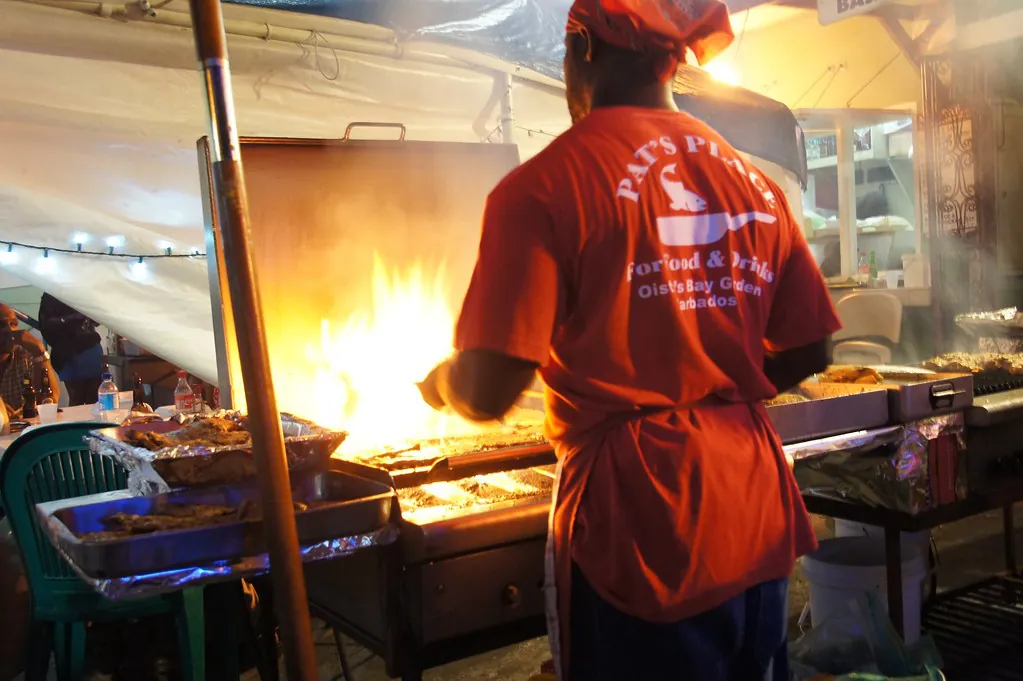
Mahi-Mahi, exclusively referred to as Dolphin on local menus, dominates the grill stations. The fishing fleet docks directly at the bay, ensuring the supply chain measures in mere metres rather than miles. Vendors apply a heavy coat of traditional green seasoning—a thick paste of marjoram, scallions, onion, and fresh thyme—before exposing the thick steaks to an open flame for a sharp, smoky finish.
The visual queue for a properly seasoned Bajan fish steak is the charred, dark green herb crust clinging to the outer edges of the meat.
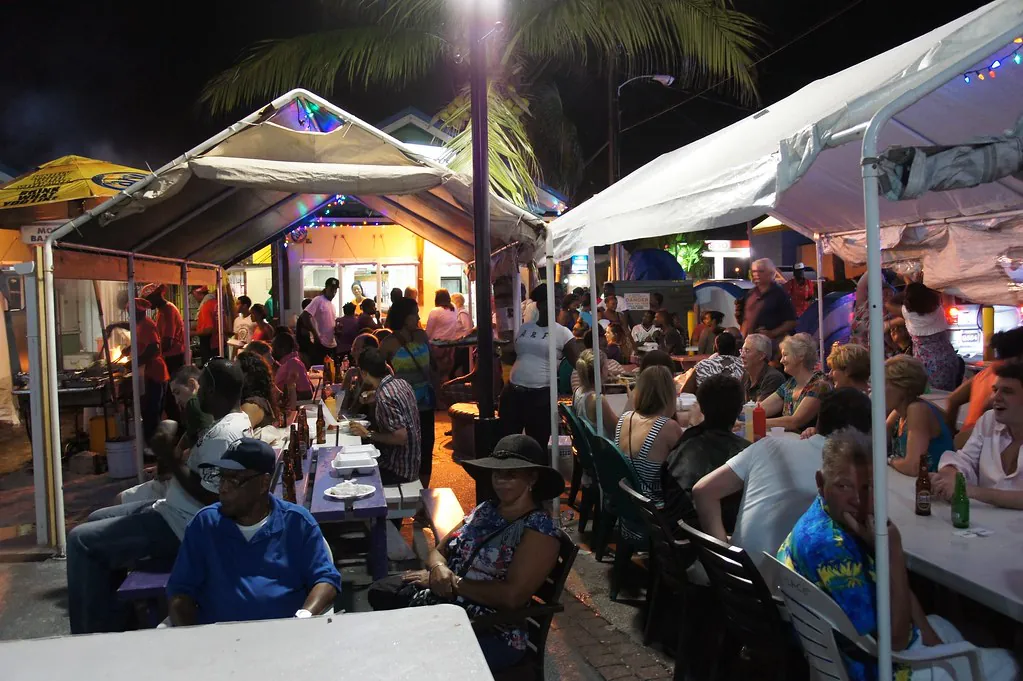
Approaching a vendor stall for the first time presents a dense, handwritten chalkboard of options. Marlin, Swordfish, Snapper, and Kingfish rotate based entirely on the morning catch. Tuna features prominently, though it is rarely served lightly seared in the international style; Bajan preparation demands a thorough, slow grill that cooks the steak all the way through, relying on the heavy marinade to maintain internal moisture. Order a side of macaroni pie—a dense, baked pasta dish utilizing evaporated milk, mustard, and heavy cheddar—to cut the sharp heat of the scotch bonnet pepper sauce provided in unmarked plastic squeeze bottles at every communal table.
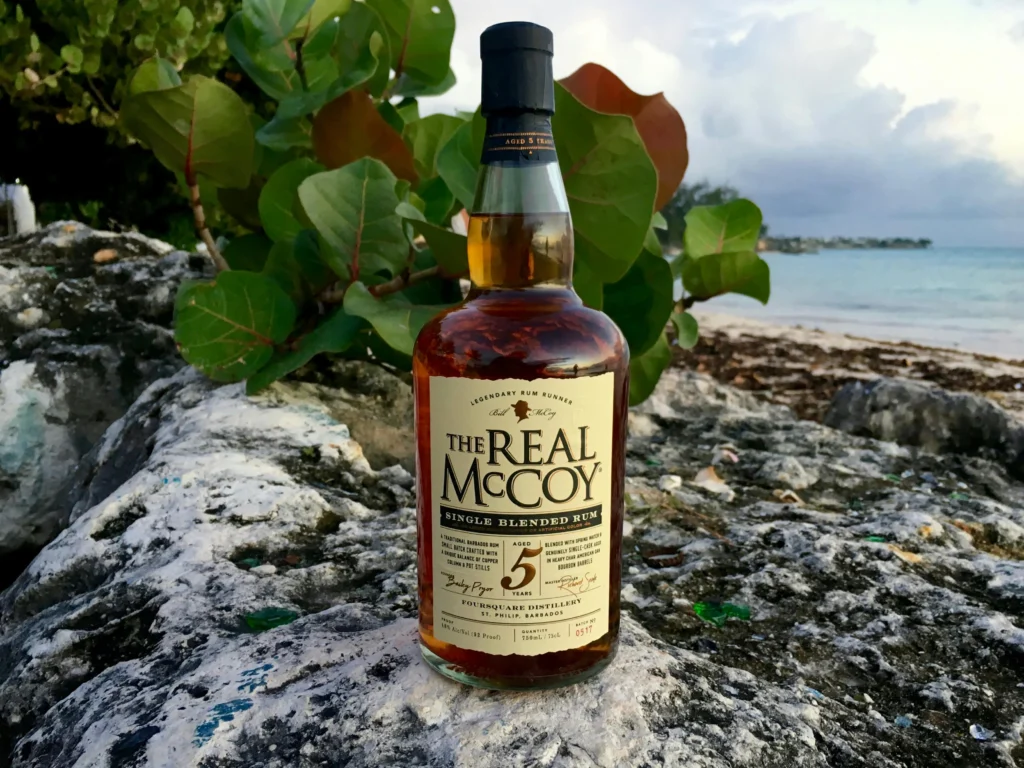
Dining outdoors near the water naturally brings up practical concerns. Visitors frequently ask if they need mosquito repellent in Barbados. The short answer is yes. The open-air seating at the Bay Garden sits directly adjacent to the shoreline, and evening humidity actively encourages local insect populations. Applying a DEET-based repellent before claiming a picnic table prevents severe discomfort during your meal. Tourists curious about what drink Barbados is famous for will find their answer at the nearest vendor cooler: rum remains the definitive spirit of the parish, best served over ice with a splash of ginger ale.
Beyond the Fry: Rum Shop Culture
To truly dine like a local, venture into the authentic rum shops scattered along the South Coast. It is here that teh ‘liming’ culture thrives, offering a more intimate look at Barbadian social life.
A rum shop operates simultaneously as a grocery store, a bar, and a community centre. High-energy domino games slap against wooden tables while patrons debate local politics. The menu strips away restaurant formalities, focusing strictly on ‘cutters’—heavy sandwiches built on freshly baked salt bread, typically stuffed with fried flying fish, sharp cheddar cheese, or roasted pork. You can observe these authentic social dynamics by booking the Barbados By Night: Nightlife Stops & Scenic Tour, which safely navigates the rural shop circuits without the need for a designated driver.
Dress codes in these establishments skew heavily towards extreme casual, but international visitors must observe specific legal restrictions regarding attire. Tourists often wonder if they can wear green in Barbados. Standard green clothing is perfectly acceptable. Wearing any form of camouflage print remains strictly illegal for civilians, including children. Police actively confiscate camouflage garments, a law strictly enforced to distinguish civilians from the Barbados Defence Force. Opt for lightweight linens and standard solid colours.
For individuals interested in the demographic makeup of these local spaces, census data addresses how many whites live in Barbados. Roughly 2.7 percent of the population identifies as white Barbadians, alongside a larger, transient population of expatriates and digital nomads who frequently integrate into the South Coast rum shop scene.
Connecting the Coasts: From St. Philip to Christ Church
Understanding the logistical flow of the island enhances the dining experience. Visitors staying in luxury villas on the East Coast often plan a Friday night excursion to Oistins. Figuring out how you get to Bottom Bay after a late night on the South Coast requires foresight. Relying on a rental car remains the most secure method, though standard taxis queue near the fish market until midnight. We highly recommend reviewing our guide on driving in Barbados to prepare for the unlit, narrow roads linking the parishes after dark.
The contrast between the two regions extends directly to the water itself. Diners eating beside the calm Oistins shoreline often inquire if they can see sharks in Barbados. While deep-sea fishermen occasionally pull in reef sharks miles offshore, coastal sightings near swimming beaches remain exceedingly rare. The waters surrounding the South Coast are dominated by sea turtles, which you can easily spot on a Barbados Catamaran Turtle Snorkel.
Conversely, the East Coast presents a hostile, breathtaking environment. Visitors frequently ask if they can swim at Bottom Bay. The answer is a definitive no. The undertow and unpredictable rogue waves make entering the water exceptionally dangerous. There are no lifeguards stationed along the St. Philip cliffs. This danger directly influences how crowded Bottom Bay gets; its unswimmable nature filters out mass tourism, leaving the wide, palm-shaded beach largely deserted except for a few photographers and picnicking couples.
Regional comparisons inevitably arise, forcing tourists to decide if Barbados or St. Lucia is better. The choice depends entirely on your primary vacation objective. St. Lucia dominates in volcanic, mountainous terrain, while Barbados claims absolute superiority in culinary infrastructure and accessible coral beaches. When debating what the nicest beach in Barbados actually is, tourists lean towards the calm waters of Carlisle Bay, whereas locals consistently favour the dramatic, raw aesthetic of the St. Philip coastline.
Practical Logistics & Tips
Navigating the sheer volume of visitors on a Friday night requires tactical planning. If securing a table feels daunting, booking the Oistins Fish Fry Night Tour with Hotel Pickup & Reserved Seating bypasses the hour-long vendor queues entirely. Finding a parking spot on a Friday evening is something you will have to deal with. The main lot fills entirely by 7:00 PM, forcing late arrivals to parallel park along the dark shoulders of Highway 7.
- Timing: Arrive before 7:00 PM on Fridays to secure a table before the peak rush. Alternatively, visit on a Thursday night for the exact same menu with a fraction of the crowd.
- Transport: For those traveling from St. Philip, consult our public transport guide for the most efficient ZR van routes.
- Sourcing: Learn more about the local fishing industry via the official Barbados tourism portal.
- Budgeting: Budget planners frequently check what average hotel costs in Barbados run; South Coast accommodations typically demand $150 to $400 USD per night, leaving a $15 USD plate of grilled Marlin at Oistins as a highly economical dining choice.
- Seasonality: Travelers plotting their itineraries often debate if they should avoid the Caribbean in September. September marks the peak of hurricane season. While Barbados sits relatively far south and frequently avoids direct hits, increased rainfall and humidity are guaranteed. Be prepared for sudden evening downpours at open-air venues.
- Climate Expectations: Those sensitive to weather often check what is the coldest month in the bay. February typically records the lowest temperatures, though ‘cold’ in this context means evening breezes dropping to 23°C (73°F). A light long-sleeve shirt serves perfectly for late-night dinners along the water.
Pro Tip: Always ask for the ‘catch of the day’—Mahi-Mahi (locally called Dolphin) is often the freshest option on the grill.