Is Bottom Bay Barbados Nude Friendly?
The Reality of the “Wild” Reputation
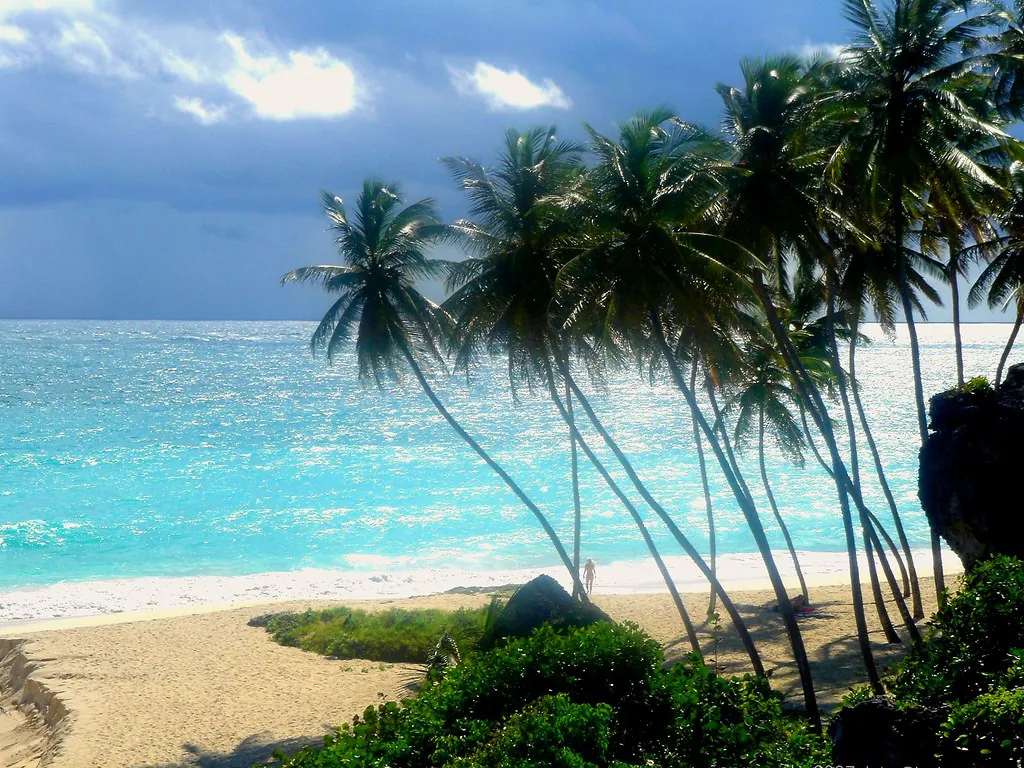
Bottom Bay carries a formidable reputation across international travel circles as one of the most rugged, isolated coastlines in the eastern Caribbean. The descent alone sets a specific tone. Visitors walk down a steep, narrow staircase carved directly into the Pleistocene limestone, emerging onto a wide expanse of powdery sand shaded by a dense grove of towering coconut palms. The sheer verticality of the surrounding rock formations blocks out the inland world, leaving only the deafening crash of the Atlantic Ocean. This profound sense of geographical isolation regularly leads tourists to a dangerous assumption: they mistake a remote location for an unmonitored sanctuary.
Because the beach feels disconnected from the island’s heavily developed tourist corridors, naturists and privacy-seeking travellers frequently ask whether clothing-optional sunbathing is acceptable here. The short answer is an absolute negative. Bottom Bay belongs to the public domain. It operates under the exact same administrative statutes, social expectations, and legal frameworks as the busiest commercial beaches in Bridgetown. The high coral walls may block the wind, but they do not suspend Barbadian law.
Barbados Public Nudity Laws and Dress Codes
Barbados maintains strict, rigorously enforced laws regarding public indecency. The island’s legal system, rooted in British common law and shaped by a deeply conservative local culture, categorises public nudity as a criminal offence. There are zero designated nude beaches, clothing-optional zones, or naturist resorts anywhere on the island. The Barbados Government Information Service issues clear directives regarding public conduct, and these rules apply universally across all 166 square miles of the territory.
Tourists often search for loopholes, assuming that the absence of explicit “No Nudity” signage at the Bottom Bay entrance implies silent consent. This is a severe miscalculation. The Barbadian government does not post these signs because the baseline expectation of modest dress is universal. To understand the strict nature of island dress codes, visitors need only look at the laws surrounding military patterns. Civilians asking “Can I wear green in Barbados?” quickly discover that wearing any form of camouflage clothing is strictly illegal for non-military personnel. If the authorities heavily regulate the pattern of your fabric, you can be certain they enforce the outright removal of clothing with equal severity.
The absence of warning signs at a beach entrance never grants permission; it simply reflects the island-wide baseline that public standards of dress apply unconditionally.
Barbados Coastal Administration
| Legal & Social Category | Status / Requirement at Bottom Bay |
|---|---|
| Public Nudity | Strictly Illegal (Subject to fines and police intervention) |
| Topless Sunbathing | Prohibited under public indecency statutes |
| Camouflage Clothing | Illegal for all civilians (including children) |
| Designated Naturist Zones | None exist in Barbados |
| Local Enforcement | Active (Royal Barbados Police Service and coastal wardens) |
Geography, Surveillance, and the Privacy Myth
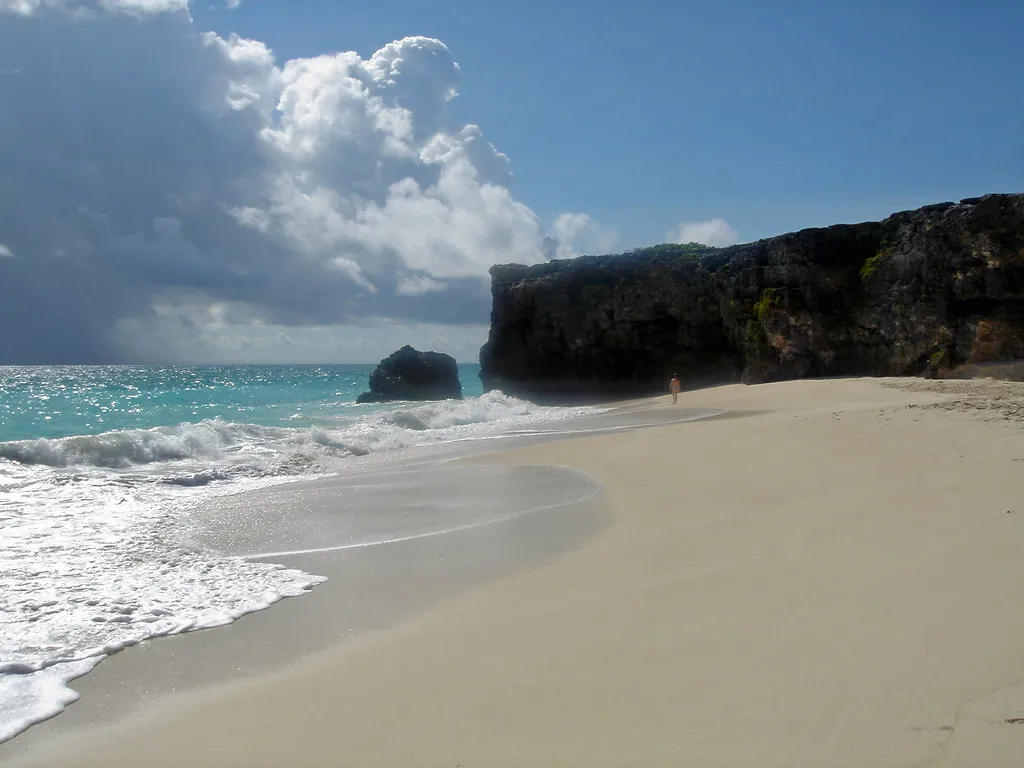
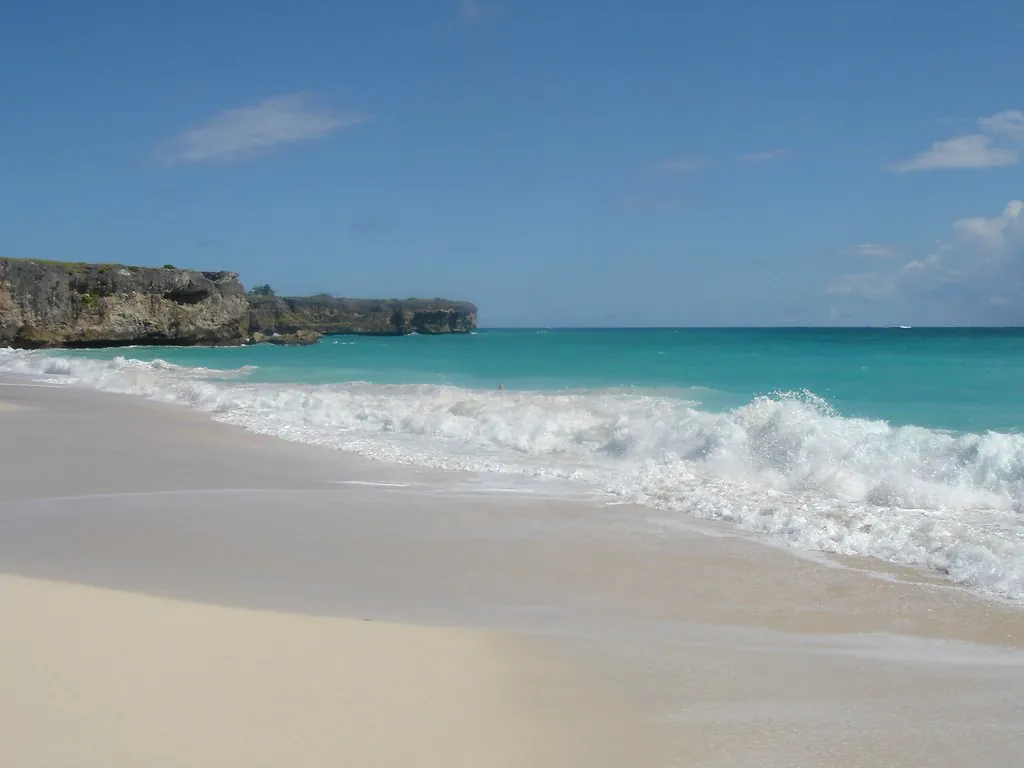
The assumption that Bottom Bay grants privacy relies on a fundamental misunderstanding of its topography. When standing on the sand, the towering cliffs feel like impenetrable walls. From above, those same cliffs function as a panoramic viewing gallery. The beach sits at the base of a natural amphitheatre. Anyone walking the popular coastal trails above has a direct, unobstructed line of sight to every square inch of the sand below.
The Cliff-Top Vantage Points
Hikers and landscape photographers frequent the limestone ridges directly above the bay. Because the water produces such a striking cobalt and cyan gradient, tourists constantly point high-powered zoom lenses down toward the shoreline. You are never truly alone here; you are simply positioned below the eye line of dozens of daily visitors who use the cliffs to scout the coastline.
The Reality of Foot Traffic
Travellers mapping out their itineraries frequently ask, “How crowded does Bottom Bay get?” While it rarely reaches the density of the sun-lounger-packed West Coast, a steady stream of people filters through the palm grove from sunrise to sunset. It serves as a major waypoint for coastal walkers moving between Harrismith Beach and The Crane.
Community Norms in St. Philip Parish
The cultural fabric of St. Philip Parish differs sharply from the transient, resort-heavy atmosphere of St. James or Christ Church. St. Philip remains deeply residential and agricultural. The communities surrounding Bottom Bay hold traditional, family-oriented values. For local residents, this beach serves as a communal gathering space rather than a tourist playground. Church groups hold weekend picnics under the trees. Multi-generational families spend their public holidays fishing from teh towering coral cliffs or resting in the shade.
Furthermore, Bottom Bay functions as a working environment. Local vendors arrive early in the morning to scale the palm trees, harvesting fresh coconuts to sell to arriving tourists. These vendors rely on the beach’s family-friendly reputation to maintain their livelihoods. Stripping down in this environment creates immediate, severe social friction. It disrespects the local workforce and violates the modesty standards upheld by the Barbados Tourism Marketing Inc., which actively promotes the island as a family destination.
Bottom Bay is an untamed geological wonder, yet it remains a deeply communal space governed by strict Barbadian modesty laws.
Enforcement and Repercussions
Local authorities do not treat public nudity as a minor behavioural quirk; they process it as a deliberate violation of public order. The Royal Barbados Police Service routinely patrols the eastern parishes. While you may not see uniformed officers stationed directly on the sand, local residents and vendors will not hesitate to report indecent exposure.
A police response to Bottom Bay results in immediate demands to dress, followed by potential detention, formal charging, and significant fines. In extreme cases, tourists face deportation and future bans from re-entering the country. The proximity of luxury accommodations like The Crane Resort—located just seven kilometres away—guarantees a continuous influx of high-profile international guests and domestic visitors along this coastal stretch. Any attempt to turn the hidden corners of the bay into a private naturist camp will inevitably end in an uncomfortable encounter with law enforcement.
Experiencing the Rugged East Coast Respectfully
Accepting the dress code allows you to focus on the actual environmental draw of the area. The windward coast delivers high-impact sensory experiences that require your full attention, particularly regarding personal safety. Many visitors arrive and immediately ask, “Can you swim at Bottom Bay, Barbados?” The answer is a definitive no. The Atlantic Ocean strikes this side of the island with immense force. Unpredictable rip currents and massive shore breaks characterise the water here. While tourists occasionally ask if you can see sharks in Barbados—a rare occurrence on the reefs—the true danger lies entirely in the invisible, powerful undertows that pull directly out to sea. We detail these specific marine hazards comprehensively in our Barbados Ocean Safety guide.
Instead of swimming or attempting to sunbathe in the nude, you should structure your visit around terrestrial exploration. The coastal environment supports a variety of appropriate activities:
- Coastal Hiking: The cliff-top paths connecting Bottom Bay to Harrismith and Palmetto Bay present miles of uninterrupted Atlantic views. The rugged paths heading north from the bay give hikers a wild coastline to take photos of.
- Picnicking: The dense palm grove at the back of the beach creates a massive, naturally shaded canopy. Bring your own supplies, as commercial infrastructure does not exist down on the sand.
- Wildlife Photography: The elevated ridges allow for exceptional drone photography (permit required) and landscape shots of the crashing waves.
When planning your afternoon here, preparation matters. The combination of dense vegetation and cooling trade winds creates a specific microclimate. Do you need mosquito repellent in Barbados? Yes, particularly near the shaded, damp limestone walls of Bottom Bay as the late afternoon approaches. Review our Logistics & Safety page for a complete breakdown of what to pack for this specific coastline.
Broadening Your Barbadian Itinerary
If the Atlantic coast’s restrictions drive you to seek out different cultural experiences, the island holds immense variety beyond the beaches. Travellers looking to connect with authentic local energy frequently book the Oistins Fish Fry Night Tour to witness the island’s culinary traditions in action. Alternatively, those who crave deep isolation without breaking the law often opt for the Northern Trail ATV Adventure, pushing deep into the unpopulated, rugged northern parishes where the terrain becomes entirely untamed.
Final Thoughts on Respecting the Island
Bottom Bay demands respect for its environmental boundaries and its social parameters. The visual illusion of isolation does not erase the reality of its location within a conservative, law-abiding parish. Attempting to bypass these laws insults the local community and guarantees a disruptive end to your holiday. By keeping your swimwear firmly in place and treating the bay as the shared, public geological wonder it is, you align yourself with the rhythm of the island. For more insight into exploring the surrounding St. Philip region, consult our Nearby Attractions guide to maximise your time on the spectacular windward coast.