Accommodation Inventory: Private Villas versus Resort Complexes in 2026
The St. Philip Accommodation Paradox
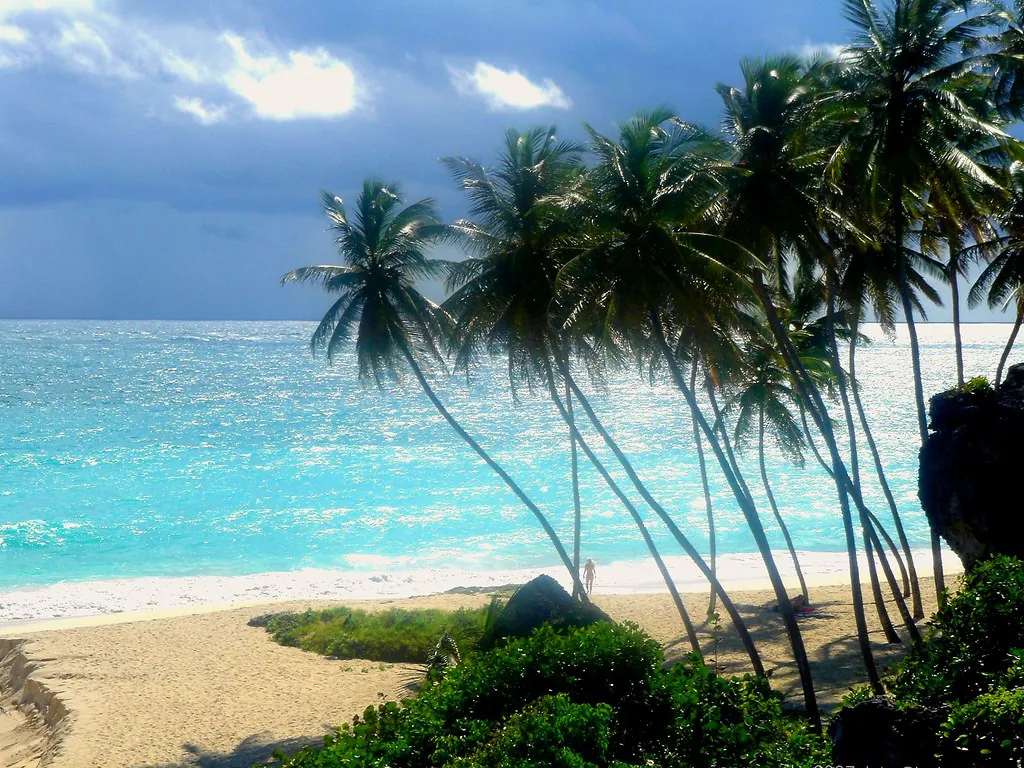
The southeastern coast of Barbados does not yield easily to human habitation. It is defined by sheer limestone cliffs, the relentless force of the Atlantic trade winds, and deep, turbulent waters. Our Overview establishes the fundamental aesthetic of Bottom Bay, but selecting a base in this region requires an understanding of complex local logistics. Choosing accommodation here means reconciling teh wild edge of the island with the demand for uninterrupted modern utility. The steep descent to the sand is a geographical reality you must prepare yourself for.
By 2026, traveler preference has fractured. The highly developed, sheltered West Coast remains the epicentre of traditional Caribbean luxury, but a specific demographic now actively seeks the isolation of St. Philip. Official data from Barbados Tourism Marketing Inc. indicates a sustained shift toward low-density environments. Visitors are trading immediate beachside bar service for cliff-top solitude, driving a surge in both high-end private villa development and strategic resort expansion near Bottom Bay.
This creates the central paradox of the region: how to experience raw, unfiltered nature without sacrificing the infrastructural reliability required for a premium holiday. The East Coast is susceptible to utility fluctuations, and the salt-heavy air aggressively degrades building materials. Consequently, the choice between a standalone private villa and an established resort complex dictates not just your sleeping arrangements, but your entire daily operational rhythm. Those wanting an initial assessment of the terrain before committing to a remote property rental often book a 6-hour coastal tour of Barbados to evaluate the topography firsthand.
Private Villas vs. Resort Complexes
The Where to Stay guide categorises the broader inventory, but the immediate vicinity of Bottom Bay forces a binary decision. You are either embedded in the local geography via a private residence, or you are insulated from it within a managed complex.
The Standalone Villa Experience
Private villas in St. Philip are architectural exercises in climate adaptation. Set back from the cliff edges, these properties utilise coral stone rendering and hurricane-rated glazing to withstand the Atlantic exposure. The primary appeal is total autonomy. Guests dictate their own schedules, free from the operational timetables of a large hotel. This proximity to nature allows for early-morning photography at the bay before the day-trippers arrive from Bridgetown.
However, autonomy requires self-management. Standalone properties rely on independent utility solutions. In 2026, top-tier villas maintain off-grid solar arrays and high-capacity water cisterns to counter occasional municipal pressure drops. Security is also a private matter, usually managed through gated perimeters and remote monitoring systems rather than on-site personnel.
The Resort Infrastructure Anchor
Conversely, resort complexes offer immediate infrastructural security. The Crane Resort, located approximately seven kilometres south of Bottom Bay, serves as the primary developmental anchor for the region. These complexes operate almost as independent municipalities, featuring their own desalination plants, heavy-duty backup generators, and 24-hour physical security patrols.
The trade-off for this convenience is proximity and density. Resorts in St. Philip do not offer direct, private access to Bottom Bay. The sheer geography of the coastline prevents it. All visitors, regardless of where they sleep, must navigate the public access points. Furthermore, the environment within a resort is highly managed, removing the raw, elemental connection that draws many to the East Coast in the first place.
The East Coast demands self-sufficiency. If you rent a standalone property, ensure it possesses a backup water cistern. The municipal supply lines in St. Philip can experience significant pressure reductions during the dry season.
Regional Infrastructure Report, 2026
Comparative Analysis: Privacy vs. Concierge
To quantify the operational differences between these two accommodation models, we must evaluate them across four strict metrics: Security, Access, Utilities, and Target Demographic.
| Operational Metric | Private Villas (Bottom Bay Vicinity) | Resort Complexes (St. Philip Region) |
|---|---|---|
| Security Protocol | Self-managed. Reliant on electronic gating, CCTV, and individual vigilance. | Militarised perimeter security, 24/7 staffed checkpoints, and immediate medical response teams. |
| Access to Bottom Bay | Direct driving or walking distance. Private, secure parking on the property. | Requires a 5 to 10-minute drive or shuttle ride. Relies on public cliff-top parking. |
| Utility Resilience | Highly variable. Premium properties feature solar and cisterns; mid-tier properties risk outages. | Absolute resilience. Industrial backup generators and private water reserves guarantee continuity. |
| Target Demographic | Long-stay digital nomads, large family units, and travelers seeking intense privacy. | Short-stay tourists, luxury seekers, and those requiring structured, concierge-led itineraries. |
Accommodation in St. Philip is not merely a stylistic choice; it is a calculation of how much insulation you require from the Atlantic elements.
Infrastructure and Regulatory Reality
The physical environment of Bottom Bay is heavily protected by national legislation. In 2026, the Coastal Zone Management Unit (CZMU) enforces rigorous setback compliance. No new permanent structures may be erected within a calculated distance from the cliff edge. This policy is designed to mitigate the effects of coastal erosion and preserve the specific visual character of the St. Philip coastline. It guarantees that the bay will not be swallowed by high-rise development, but it also restricts the expansion of current accommodation inventories.
Short-Term Rental Licensing
The proliferation of platforms like Airbnb fundamentally altered the local housing market, prompting a regulatory crackdown. Today, all private villas operating as short-term rentals must carry a valid certification from the Barbados Tourism Product Authority (BTPA). This is not merely a bureaucratic formality. The health and safety inspections for cliffside properties are exhaustive.
Inspectors evaluate the structural integrity of ocean-facing balconies, the presence of appropriate pool safety fencing, and the reliability of emergency exits. When booking a private villa, verifying this BTPA license is essential. It is the only metric by which a foreign visitor can guarantee the property meets national safety standards against the harsh Atlantic weathering.
Logistics, Roads, and Accessibility
Your choice of accommodation directly impacts your mobility. St. Philip does not possess the dense network of paved, well-lit sidewalks found in Holetown or Hastings. The roads leading toward Bottom Bay are narrow, often flanked by dense sugarcane fields, and largely unlit after dusk. Navigating this terrain requires confidence.
If you select a private villa, a rental car is mandatory. Relying on taxis for daily grocery runs to the Six Roads commercial centre is economically unfeasible. You will need to study the Driving in Barbados guide to understand the nuances of local road etiquette and hazard management. Villa driveways provide secure parking, which is a significant advantage over leaving a vehicle on the street.
Resort guests face different logistical constraints. While they can utilise hotel shuttle services for major excursions, independent exploration of the East Coast remains difficult without a vehicle. Those wishing to experience local transit can consult our Guide to Barbados Public Transport, though ZR van routes in the extreme southeast are far less frequent than on the primary southern highway.
Economic Outlook: Occupancy Projections for 2026
The economic dynamic of St. Philip accommodation is shifting. Current projections indicate that luxury villa demand is consistently outpacing traditional resort bookings in this specific parish. High-net-worth travellers are showing a marked preference for spatial autonomy over shared amenities. This demand has driven up the nightly rates for properties possessing uninterrupted ocean views and off-grid utility capabilities.
Resorts are countering this trend by expanding their “residence” programmes—offering multi-bedroom, villa-style apartments within the secure perimeter of the hotel. This hybrid model attempts to capture the demographic seeking space while providing the safety net of concierge management.
Choosing Your Base
The decision ultimately rests on your risk tolerance and your need for environmental control. Bottom Bay is spectacularly beautiful, but it is not passive. The surf is dangerous, the cliffs are steep, and the wind is constant.
Families with young children often find the managed environment of a resort complex safer. The presence of lifeguarded pools and immediate medical access offsets the minor inconvenience of a short drive to the public beach. Resort staff can also manage external excursions, such as arranging a private catamaran snorkel cruise on the calmer Caribbean side of the island when the Atlantic proves too rough for swimming.
Digital nomads, extended-stay tourists, and couples seeking isolation are better served by the private villa market. The ability to source local ingredients, cook independently, and experience the uninterrupted sound of the ocean creates a rhythm impossible to replicate in a hotel setting. However, this demographic must take responsibility for their own safety. Reading our specific breakdown on Understanding the Barbados Tide is critical, as villa guests do not have the benefit of a red-flag warning system planted on their private stretch of sand.
Before finalising any booking in St. Philip, cross-reference your chosen location with the transit realities outlined in How to get to Bottom Bay. Ensure you understand exactly how you will move between your bed, the beach, and the broader island. Accommodation on the East Coast is rewarding precisely because it demands a level of engagement and preparation that the rest of Barbados does not.
To continue building your itinerary around your chosen base, consult the Nearby Attractions guide to map out the historical sites, minor bays, and local infrastructure that will define your time on the windward coast.