Barbados Beach Etiquette and Local Laws
Welcome to Barbados, where British legal tradition meets the specific social rhythms of the Caribbean. Being a respectful guest in St. Philip starts with understanding that while the island is welcoming, it is also a law-abiding society with strict regulations that may surprise international visitors. Before you pack your bags for Bottom Bay, it is essential to align your expectations with local customs and legal requirements to ensure a seamless experience.
“Respect is the currency of the island; understanding our laws is the first step toward a true Bajan welcome.”
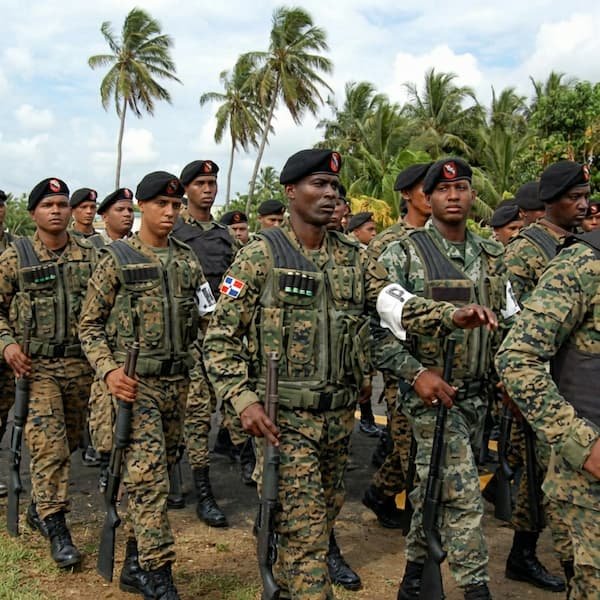
In Barbados, camouflage is reserved strictly for the Barbados Defence Force. Under Section 188 of the Barbados Defence Act, it is a criminal offence for any civilian—including infants and children—to wear or possess “disruptive pattern material” (DPM). This law was enacted following the 1983 Grenada intervention to prevent the impersonation of military personnel during times of regional instability.
This regulation is absolute. It applies to hats, bags, and even children’s swimwear. Visitors arriving at Grantley Adams International Airport wearing camouflage items may have them confiscated by customs. The legal consequences are significant; penalties include fines of up to $2,000 or potential imprisonment. If you are driving in Barbados, ensure no camouflage gear is visible in your rental vehicle to avoid unnecessary police stops.
| Topic | Regulation | Restriction |
|---|---|---|
| Camouflage | Defence Act (Sec 188) | Strictly prohibited (all colours and items) |
| Beach Access | Beach Control Act (Cap 395) | Public up to high-water mark |
| Public Nudity | Summary Jurisdiction Act | Strictly prohibited (including topless) |
| Alcohol | Liquor Licences Act | Legal in public; disorderly conduct penalised |
| Sea Turtles | 1998 Moratorium | Illegal to harvest meat, eggs, or shells |
The legal definition of “public space” on the Barbadian coast is governed by the Beach Control Act Cap 395. All land below the high-water mark is public property. This boundary is scientifically defined by the Coastal Zone Management Act Cap 394 as the line of the highest wave run-up at mean tide between spring and neap tides. While the sand is yours to enjoy, the coral cliffs and land above this mark are often private estates.
At Bottom Bay, the National Conservation Commission (NCC) manages the public staircase, which serves as the designated “window to the sea.” Visitors should use these established paths rather than attempting to cross private residential gardens in St. Philip. When the tide is high, the beach becomes narrow; cultural etiquette dictates a first-come, first-served respect for the limited shade under the cliffs or palm groves.

Barbados maintains a conservative social fabric rooted in its colonial history. Public nudity and topless sunbathing are illegal under the Summary Jurisdiction Act, classified as indecent exposure. This applies to all public spaces, including secluded areas like Bottom Bay. While the island is a premier holiday destination, residents expect visitors to cover up when moving from the beach to public roads or restaurants.
Modesty is a sign of respect for the local community. It is considered poor form to walk through residential areas or shops in swimwear. If you are staying at a nearby luxury resort, always use a sarong or t-shirt when leaving the immediate beachfront. For those seeking a quiet experience, the seclusion of St. Philip offers tranquility, but the laws of the land remain in full effect.
Since July 1998, Barbados has enforced a total moratorium on the harvest of sea turtles. This includes the meat, eggs, and shells of Hawksbill and Leatherback turtles, which frequently nest on the St. Philip coast. Disturbing a nesting turtle is a prosecutable offence. Visitors are encouraged to record the Barbados Sea Turtle Project (BSTP) hotline at (246) 230-0142 to report any nesting activity or hatchlings disoriented by artificial lights.
Driving vehicles or riding horses on the beach sand without an NCC permit is illegal to prevent dune erosion and protect buried turtle nests.
The National Vending Act 2021 regulates beach commerce to prevent visitor harassment. All vendors must hold a valid NCC licence, renewed annually. While you may encounter coconut sellers at Bottom Bay, “itinerant vending”—the practice of roaming from beach to beach—is strictly controlled. Furthermore, under NCC regulations (Cap 393), lighting fires or charcoal grills on the sand is prohibited to protect the coral-sand quality.
- Can children wear camouflage swimsuits on the beach? No, the Barbados Defence Act applies to everyone regardless of age, and any item with a camouflage pattern—including swimsuits or bags—can be confiscated by the authorities.
- Is it acceptable to walk through Bridgetown in a bikini? It is considered highly disrespectful to wear swimwear in public streets or shops; visitors should always wear a cover-up when leaving the beach to respect local social norms.
- Are there any nude beaches in Barbados? No, there are no legally recognised nude beaches on the island, and public nudity or topless sunbathing can lead to arrest under the Summary Jurisdiction Act for indecent exposure. Check blog post “Is Bottom Bay Barbados Nude Friendly?“
- Can I bring my own alcohol to Bottom Bay? Yes, there is no strict “open container” law prohibiting alcohol on the beach, but glass containers should be avoided to protect the environment, and public intoxication that leads to disorderly conduct is a punishable offence.
- How do I identify the high-water mark for public access? The high-water mark is generally identified by the line of debris, seaweed, or shells left by the most recent high tide; everything below this line is public land for your enjoyment.
- What should I do if I see a sea turtle nesting? You should maintain a respectful distance, keep lights off, and immediately call the Barbados Sea Turtle Project hotline at (246) 230-0142 to report the location for conservation monitoring.
Respecting these laws ensures that the natural beauty of the St. Philip parish remains preserved for future generations. By adhering to the Beach Control Act and the Defence Act, you contribute to the safety and cultural integrity of the island while enjoying the rugged Atlantic coastline.