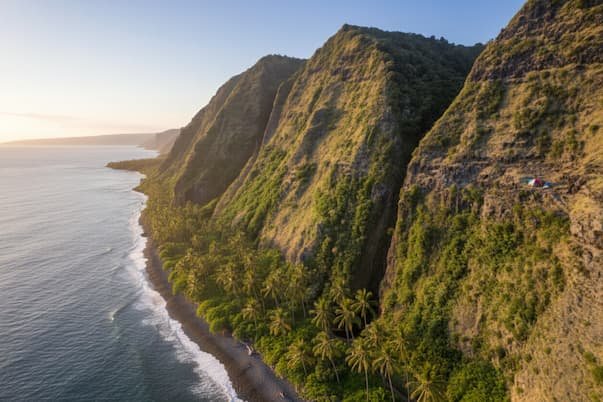
Bottom Bay is a pristine escape, but its ‘wild’ nature means visitors must arrive prepared. Unlike the calm Caribbean waters found on the West Coast, this Atlantic-facing enclave offers a rugged experience where safety and self-sufficiency are paramount. The high coral cliffs and swaying palms create an aesthetic of isolation, yet this beauty necessitates a disciplined approach to the environment.
Bottom Bay Logistics: What to Expect
| Feature/Service | Status | Notes |
|---|---|---|
| Lifeguards | None | No active patrols; swim at your own risk. |
| Public Toilets | None | No facilities available on the beach level. |
| Chair/Umbrella Rentals | None | Bring your own shade and seating. |
| Sargassum Seaweed | Seasonal | Peak influx from May to September. |
| Water/Food | Limited | No commercial vendors; pack all supplies. |
| Parking | Available | Dirt lot at the cliff top. |
Atlantic Currents & Rip Tides
The shoreline is prone to powerful undercurrents that can shift with little warning. For a deep dive into reading these waters, see our guide on Barbados Ocean Safety. Swimming is generally discouraged for all but the most experienced ocean swimmers. If caught in a rip, do not fight the current; swim parallel to the shoreline until the pull subsides, then head toward the land at an angle.
The Sargassum Factor
During summer months, Sargassum seaweed may accumulate along the tide line. While natural, it can change the water’s clarity and produce a distinctive sulfurous odor as it decomposes. Visitors should check local satellite reports if planning a trip between May and September. For those looking to avoid the Atlantic swells entirely, a Barbados Catamaran Turtle Snorkel provides a much calmer alternative on the protected West Coast.
Public Transport and Arrival Logistics
Reaching this remote corner of St. Philip requires specific knowledge of the local transport system. The primary government bus service is Route 12A, identifiable by its blue livery with a yellow stripe. This bus departs from the Fairchild Street Terminal in Bridgetown and must be labeled “Sam Lord’s Castle” to ensure it passes the correct turn-offs. Travelers should note that government buses require an exact fare of BDS$3.50; drivers do not carry change. For a more direct route, yellow minibuses (Routes 26 and 29) or private ‘ZR’ vans (Route 10) depart from the Constitution River Terminal and offer a faster, albeit more crowded, alternative.
Visitors should disembark at the Bayleys Primary School stop. From this point, it is a 1.1-kilometre walk—approximately 15 minutes—to the cliff edge. Upon arrival, the descent to the sand involves a narrow, steep limestone staircase consisting of 30 to 40 uneven steps. The lower half of the staircase lacks handrails, which may prove difficult for those with mobility issues. If you prefer a guided arrival that handles the navigation for you, the 6-Hour Coastal Tour of Barbados frequently includes scenic stops along the windward coast.
Legal & Regulatory Frameworks
Barbados has specific laws that can surprise international travelers. Ignorance of these local regulations does not prevent fines or legal action, especially regarding national security and public decency.
Camouflage clothing is a criminal offence in Barbados under the Defence Act. This includes children’s clothing and accessories like backpacks. Do not pack anything with a ‘camo’ pattern, regardless of colour.
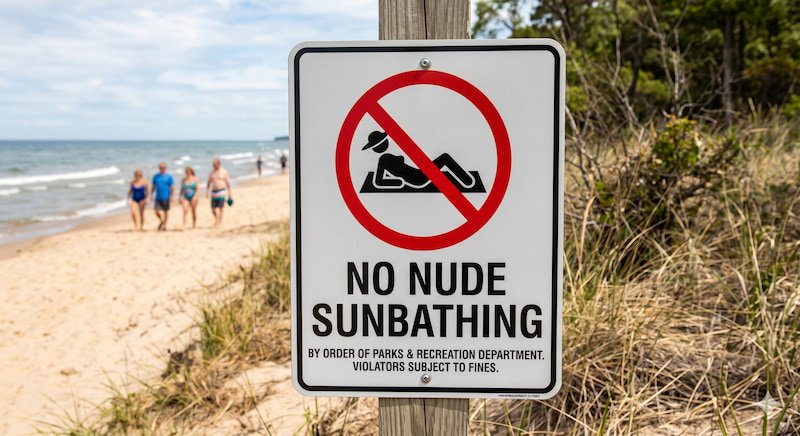
Public decency is strictly enforced across the island. Nudism and topless sunbathing are illegal in all public spaces, including secluded spots like Bottom Bay. Furthermore, visitors should be wary of the flora; several shade trees on the beach are Manchineel. These trees contain a caustic sap that causes skin blistering and eye irritation, especially during rain. They are typically marked with a red band of paint on the trunk—avoid standing under them at all costs.
Frequently Asked Questions
Is Bottom Bay safe for children to swim?
Generally, no. The Atlantic waves and undercurrents are exceptionally strong and can easily overwhelm even an adult. Children should stay at the water’s edge and must be supervised at all times.
Can I wear camouflage patterns to the beach?
No. Camouflage is reserved strictly for the Barbados Defence Force. Wearing or carrying any camouflage print is a criminal offence for civilians in Barbados.
Are there restrooms or changing rooms?
There are no public facilities or changing rooms at Bottom Bay. Visitors should plan accordingly and use facilities at their accommodation or major hubs like Six Roads before arriving.
Can I fly a drone to capture the cliffs?
Only with prior approval. All drones must be registered with the Barbados Civil Aviation Authority (BCAA), and users must obtain a permit from the Prime Minister’s Office and a frequency license from the Telecommunications Unit to avoid legal penalties.
Is the beach accessible for those with mobility issues?
The descent involves a steep, narrow set of limestone stairs with no handrails on the bottom section. This makes the beach difficult to access for those with significant mobility challenges.
Is topless sunbathing allowed if the beach is empty?
No. Barbados law prohibits nudism and topless sunbathing in all public areas. This remains true regardless of how secluded the beach appears.
Ready to head out? Ensure you know the route by visiting our transportation guide or learn more about the best experiences waiting for you on the sand. If you are staying in the area, consider checking our overview of where to stay in St. Philip.
Seasonal Climate & June Observations
As of February 2026, Barbados is entering a period of high humidity and rising temperatures. Visitors planning a trip in June should expect daytime highs of 31°C and nighttime lows of 24°C. June marks the official commencement of the Atlantic hurricane season; while the island’s easterly position often spares it from direct strikes, the atmosphere becomes increasingly unstable. Expect approximately 13 to 15 days of rainfall throughout the month, typically manifesting as heavy tropical downpours that clear quickly to reveal intense sunshine.
The ‘Crop Over’ summer festival begins in June, bringing a distinct cultural shift to the island with increased soca and calypso music in public spaces. However, the physical environment at Bottom Bay remains solitary. The high moisture levels in June encourage lush growth along the cliff edges, though the heat can be oppressive due to the lack of natural shade on the sand. Hydration is critical; bring at least two litres of water per person.
2026 Environmental Alert: Sargassum Influx
Satellite monitoring from the University of South Florida indicates an unusually early and heavy surge of Sargassum seaweed for the 2026 season. While the traditional peak occurs between May and September, significant accumulations have already been reported along the windward coast of St. Philip as of February. This brown macroalgae can form thick mats along the shoreline, obscuring the turquoise clarity of the water and releasing hydrogen sulphide gas as it decomposes. This produces a pungent, sulfurous odour. If the tide line is heavily obscured, avoid entering the water to prevent entanglement.
Aesthetic Profile & Photography
Bottom Bay is frequently cited as the most ‘wallpaper-worthy’ location in the West Indies due to its high-contrast colour palette. The limestone cliffs, composed of Pleistocene coral rock, provide a stark white-to-grey frame against the deep turquoise of the Atlantic. For photographers, the early morning light—between 06:30 and 08:00—offers the best conditions, bathing the swaying coconut palms in a warm, low-angle glow. The ‘pirate cave’ located at the northern end of the beach provides a natural frame for wide-angle shots of the horizon, though the interior remains damp and prone to falling debris. Do not set up equipment directly beneath the overhangs.